MAHLE is committed to bringing sustainable development and technical progress into perfect alignment in the interest of efficient, environmentally friendly mobility. In doing so, we strive to reconcile the economic success of our company with the requirements of the environment, society, and our employees.The strategy MAHLE 2030+ anchors Sustainability as key strategic enabler.
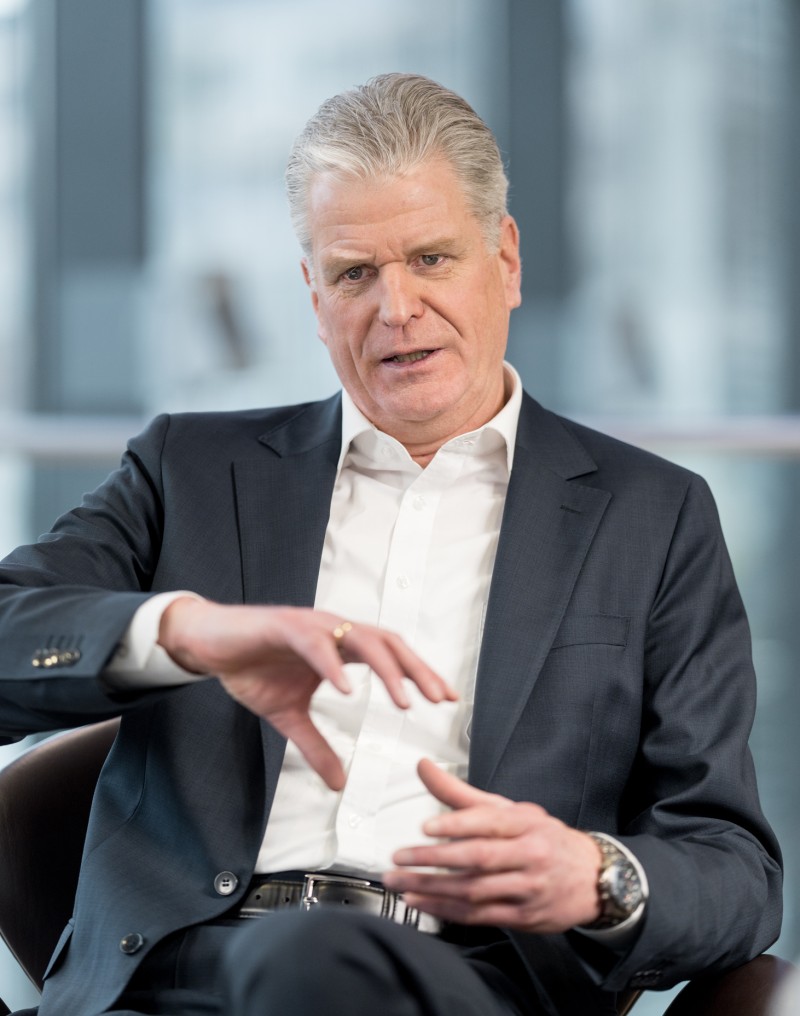
„ Sustainability is implemented in the Group’s key business processes and is a crucial field of action in the implementation of our strategy MAHLE 2030+. „
Our Sustainability Strategy
The highest level of responsibility for Sustainability, Environmental Management, and Safety at Work is at the MAHLE Management Board. Strategic decisions related to the sustainability goals of MAHLE are made in the MAHLE Management Board.
Our sustainability management is regularly reviewed by the Sustainability Steering Committee. It shall identify related risks and opportunities at an early stage and ensure the appropriate management of our sustainability projects.
The corporate function for sustainability is the driving force for sustainability at MAHLE. It coordinates sustainability activities throughout the Group, leads the regular updates of the materiality analysis, conducts performance monitoring, and ensures the transparent communication and stakeholder dialogue.
Our Strategic Topics
Following our materiality analysis the sustainability program of MAHLE covers the following eight strategic topics tackling numerous United Nations Sustainable Development Goals (SDGs):
Sustainability Reports
MAHLE publishes annual Sustainability Reports, which explore in detail the topic of sustainability in all business areas. All reports published since 2018/2019 are available online.
The Sustainability Reports since 2021 have been externally assured by a third party (limited assurance). As of 2025, the Sustainability Report is integrated in the MAHLE Annual Report. Our Sustainability Reports are in accordance with the Global Reporting Initiative (GRI) standards.
Reports and publications on this website published before September 2026 continue to use the terminology in effect at the time of publication. EU Empowering Consumersfor the Green Transition Directive (EmpCo) aligned terminology is reflected in publications starting September 2026.
ESG Fact Sheet
Key figures in terms of our sustainability targets and performance can be found in our ESG Fact Sheet.
Ratings & Awards

SDG Index (Sustainable Development Goals Index)
In 2015, the United Nations have adopted 17 Sustainable Development Goals (SDGs) in total. These Global Goals are understood as a universal call to action to end poverty, protect the planet, and ensure that by 2030 all people can live in peace and prosperity. The following nine SDGs are of major importance for the MAHLE Group.
Good health and well-being
Goals
- Certification of all production locations according to ISO 45001
- Further reduction of the accident frequency rate, upper limit for 2025: 2.7
Status
- ISO 45001: 117 certified production locations, 8 certified Tech Centers
- Accident frequency rate 2025: 1.7 work-related accidents with at least one day of absence per one million working hours
Gender equality
Goals
- By 2025: 30% women in the Supervisory Board
- By 2027: 29% women in the Group Management Board
- By 2030: 13% women on the first executive level, 18% women on the second executive level
- Equal pay guarantee
Status
- 30% women in the Supervisory Board
- 25% women in the Group Management Board
- 11% women on the first executive level, 11% women on the second executive level
- Global Diversity & Inclusion commitment
Clean water and sanitation
Goals
- Reduction of water withdrawal
- Identification of locations with water risks
Status
- Water withdrawal reduced by 3%
- 21 locations with water risks identified
Affordable and clean energy
Goals
- Increase share of renewable electricity
- Operation of PV systems
- Increase energy efficiency by 2% annually
Status
- Share of renewable electricity is 17%
- Implementation of 23 energy sprints
Decent work and economic growth
Goals
- Ensuring good working conditions
- Ensuring fair competition
- Investing in projects with positive environmental impacts
Status
- Collective bargaining coverage for more than 70% of the workforce
- Implementation of a risk assessment regarding potential human rights violations
- 98% of the assigned employees have completed the training on antitrust law and prevention of corruption
Industry, innovation and infrastructure
Goals
- Development of sustainable products
- Increase in the use of recycled materials
- Reduction of CMR substances
- Prevention of waste
- Transparency in the supply chain
Status
- Research and development on the use of bio-based raw materials
- Use of secondary materials
- Recycled content in used plastics is 3.3%
- 84% of total waste generated was reused or recycled
- Implementation of around 200 ESG Quick Checks in the MAHLE supplier network
Reduced inequalities
Goals
- By 2025: 30% women in the Supervisory Board
- By 2027: 29% women in the Group Management Board
- By 2030: 13% women on the first executive level, 18% women on the second executive level
- Equal pay guarantee
Status
- 30% women in the Supervisory Board
- 25% women in the Group Management Board
- 11% women on the first executive level, 11% women on the second executive level
- Global Diversity & Inclusion commitment
Responsible consumption and production
Goals
- Development of sustainable products
- Increase in the use of recycled materials
- Reduction of CMR substances
- Prevention of waste
- Transparency in the supply chain
Status
- Research and development on the use of bio-based raw materials
- Use of secondary materials
- Recycled content in used plastics is 3.3%
- 84% of total waste generated was reused or recycled
- Implementation of around 200 ESG Quick Checks in the MAHLE supplier network
Climate action
Goals
- CO2 neutrality by 2040 (Scope 1 and 2)
- Reduction of Scope 1 and 2 emissions by 49% by 2030
- Reduction of Scope 3 emissions (category 1 and 11) by 28% by 2030
Status
- Reduction of Scope 1 and 2 emissions by 47% compared to 2019
- Reduction of Scope 3 emissions (category 1 and 11) by 23% compared to 2019
Occupational Health, Safety and Environmental Management
Here you can find our Global guidelines for sustainable occupational health and safety, environmental and climate protection [PDF; 18 KB]
Our plants worldwide have implemented high standards for occupational safety, environmental management and energy management. Most of our production locations have certified environmental and occupational safety management systems.
The environmental declarations according to EMAS for our German plants can be downloaded here (in German):